
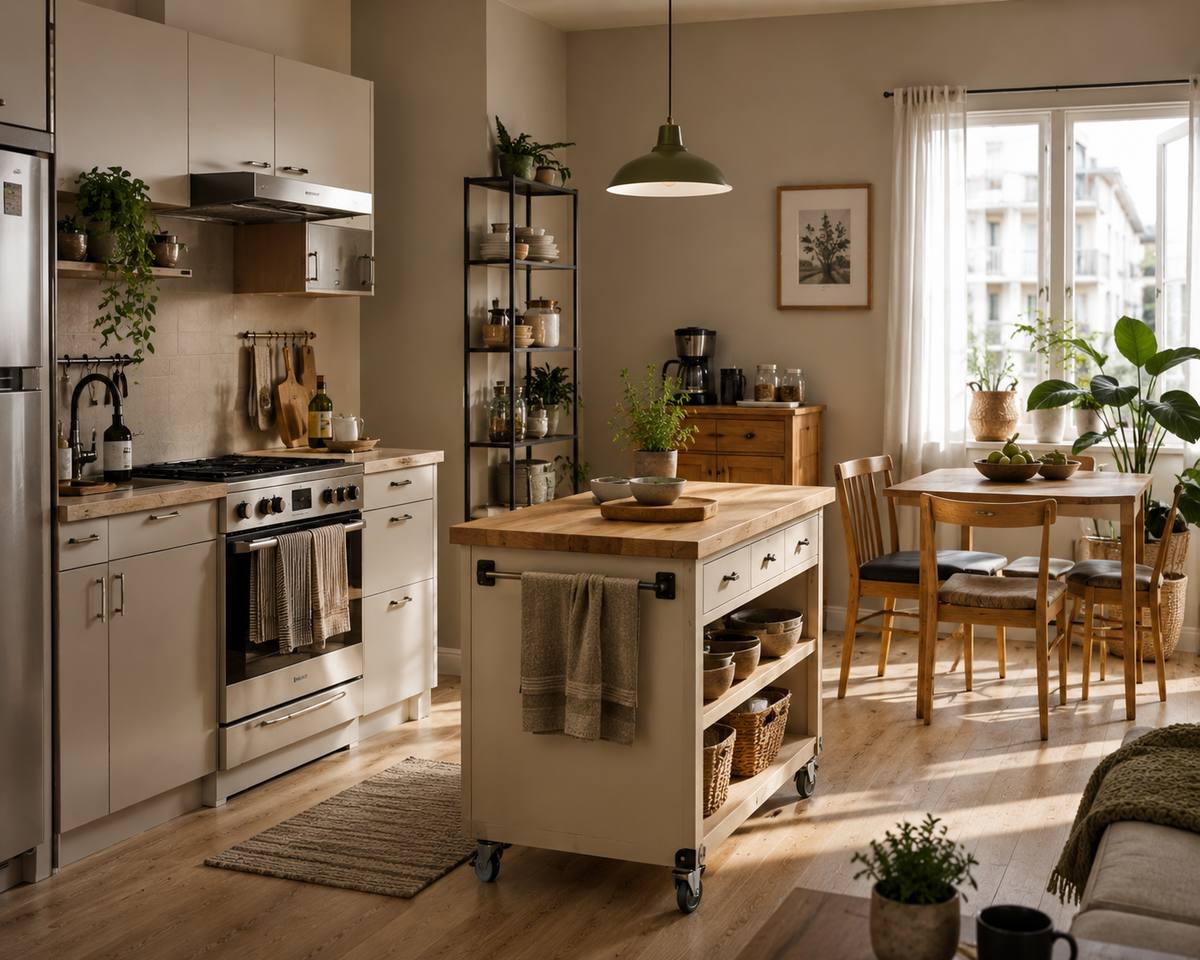
For the last decade, the ultimate kitchen goal was a wall-to-wall, perfectly fitted expanse of built-in cabinetry. Everything was hidden, integrated, and completely uniform. But as we move deeper into 2026, the rigid, one-size-fits-all approach is officially fading.
Homeowners, renters, and designers are embracing a much more relaxed, character-rich aesthetic: the unfitted kitchen.
Driven by a desire for flexibility, sustainability, and “quiet luxury,” freestanding kitchen furniture is the most important interior design trend of the year. Whether you are planning a massive renovation or just looking to upgrade a rental apartment, here is how to use freestanding furniture to create a space that feels curated, adaptable, and effortlessly modern.
What is an Unfitted Kitchen?
An unfitted kitchen is a kitchen design that relies on individual, freestanding pieces of furniture rather than continuous, wall-to-wall built-in cabinetry. Instead of a uniform row of identical cupboards, an unfitted kitchen might feature a standalone wooden pantry larder, a vintage butcher block island, and a separate glass-fronted dresser.
This approach makes the kitchen feel more like a furnished living room, creating a layered, “Modern Heritage” aesthetic that looks collected over time rather than purchased all at once from a catalog.
Built-in vs. Freestanding: Why 2026 is Shifting
Why are top interior designers abandoning perfectly fitted kitchens? It comes down to three major cultural shifts in 2026:
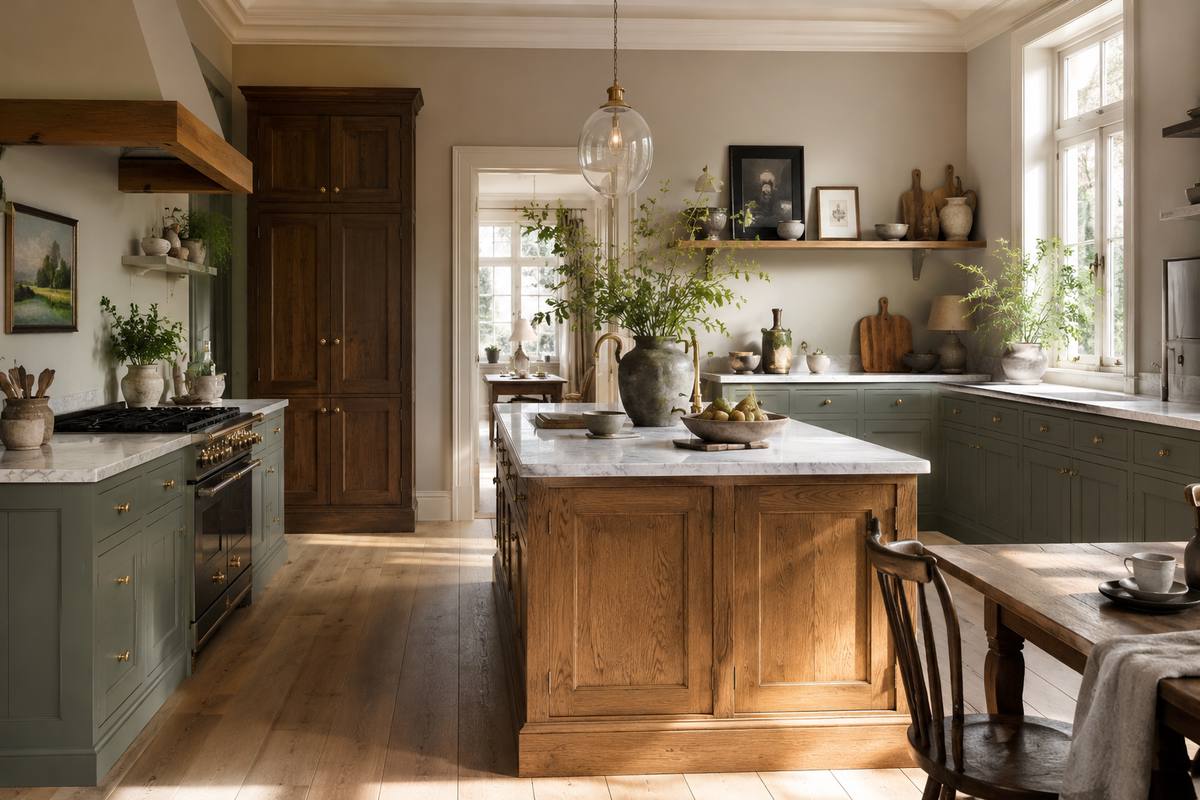
- Unmatched Flexibility: Freestanding units allow you to reconfigure your layout as your needs change. If you need a better workflow, you can simply move your butcher block. If you move to a new house, you can take your expensive larder cupboard with you.
- Architectural Forgiveness: In older period homes with uneven walls, exposed beams, or awkward fireplaces, standard fitted cabinets often require expensive custom carpentry to fit. Freestanding pieces celebrate architectural quirks rather than trying to disguise them.
- Sustainable Investment: Because freestanding pieces can be taken with you or repurposed in other rooms (a glass dresser can easily move to a dining room), they are viewed as long-term, sustainable investments rather than temporary fixtures.
Core Elements of the Freestanding Kitchen
If you want to transition your space to an unfitted look, you do not need to tear out all your existing cabinets. You can start by removing one section of upper cabinets or an outdated built-in island and replacing it with one of these statement pieces:
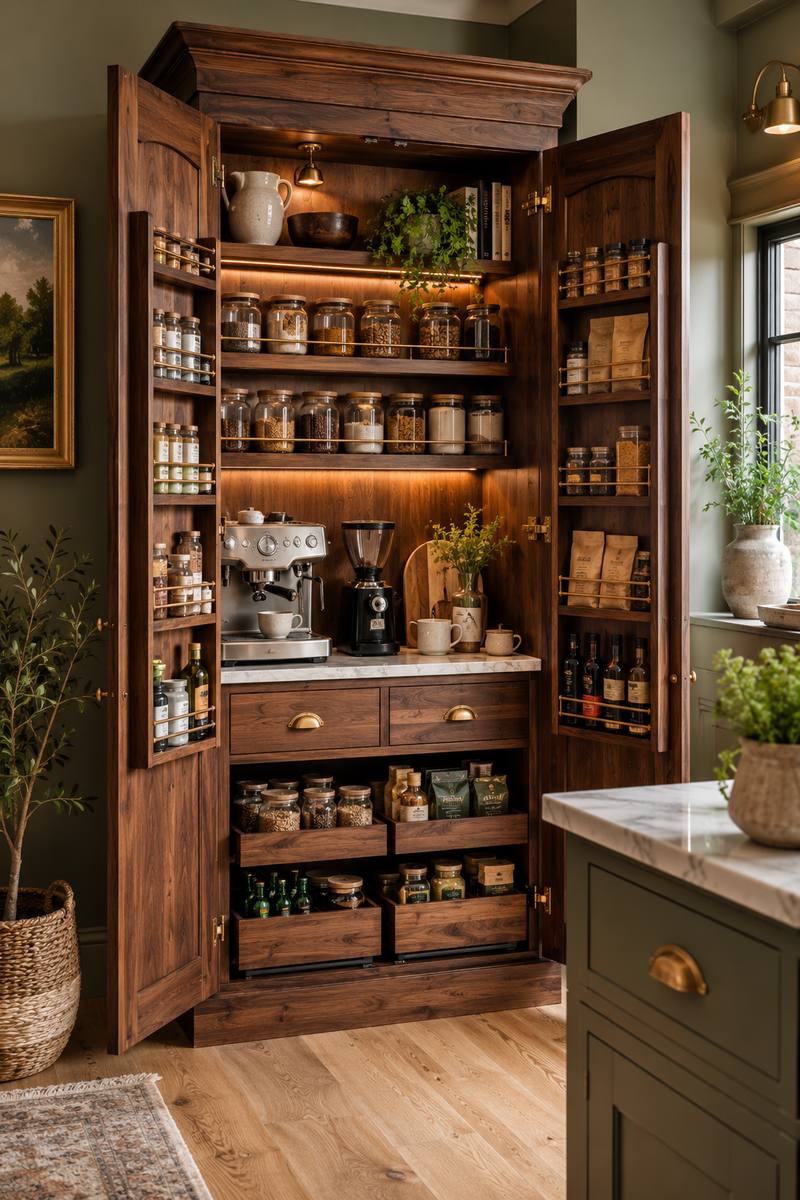
1. The Standalone Pantry Larder
The traditional larder cupboard is making a massive comeback. A tall, freestanding wooden larder offers incredible storage for dry goods, spices, and small appliances. Many modern designs feature bi-fold or pocket doors that hide your coffee maker and toaster, keeping your countertops completely clear.
2. The Furniture-Style Island
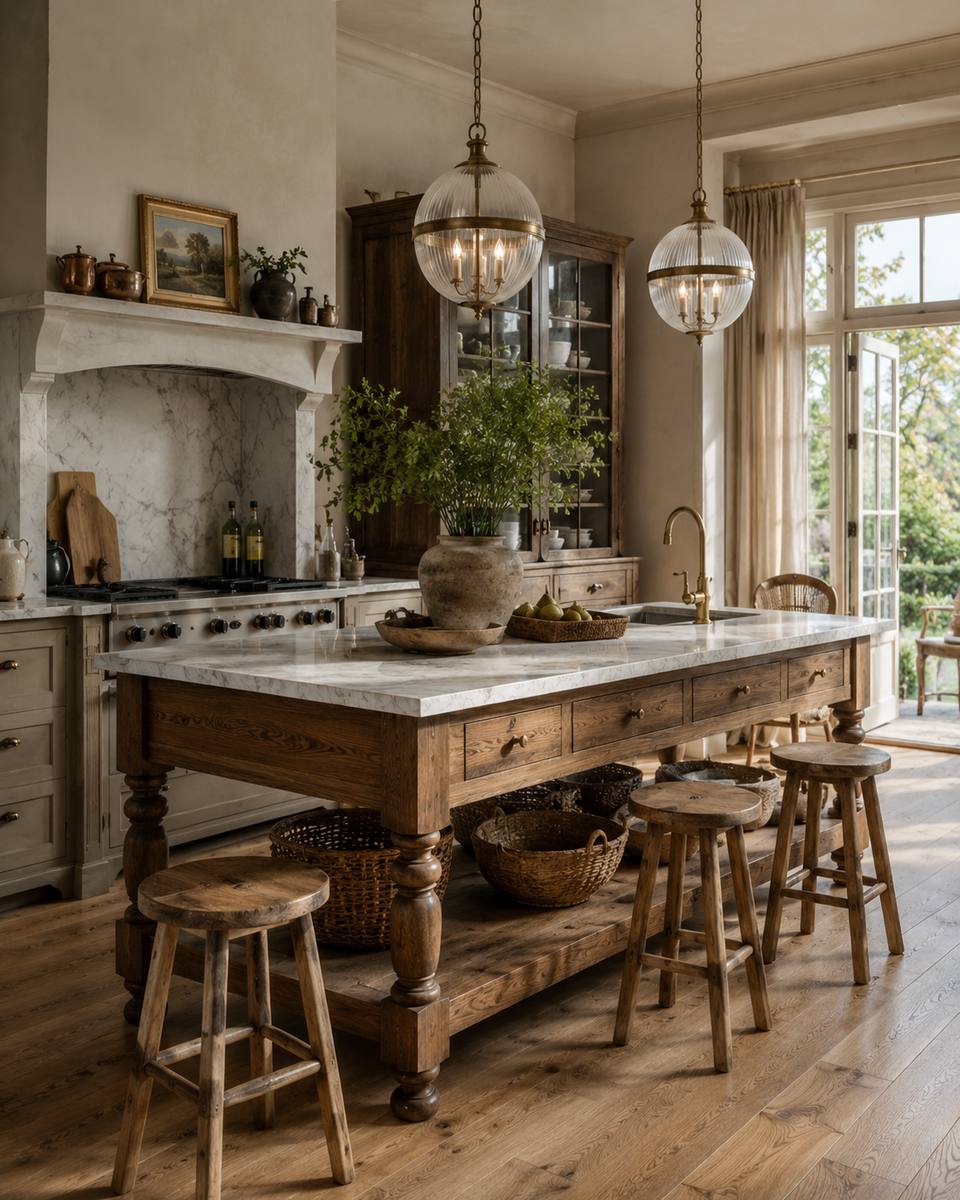
Say goodbye to massive, heavy block islands. 2026 is all about the “anti-island”—using vintage wooden tables, antique drapers’ tables, or butcher blocks on raised legs. Because you can see the floor beneath them, they make small kitchens feel significantly larger and less restricted.
3. Glass-Front Dressers
Instead of hiding everything away, people are choosing to display the things that make their kitchen personal. A freestanding glazed dresser is the perfect place to curate a collection of ceramics, cookbooks, and glassware.
How to Mix Wood Tones in a Freestanding Kitchen
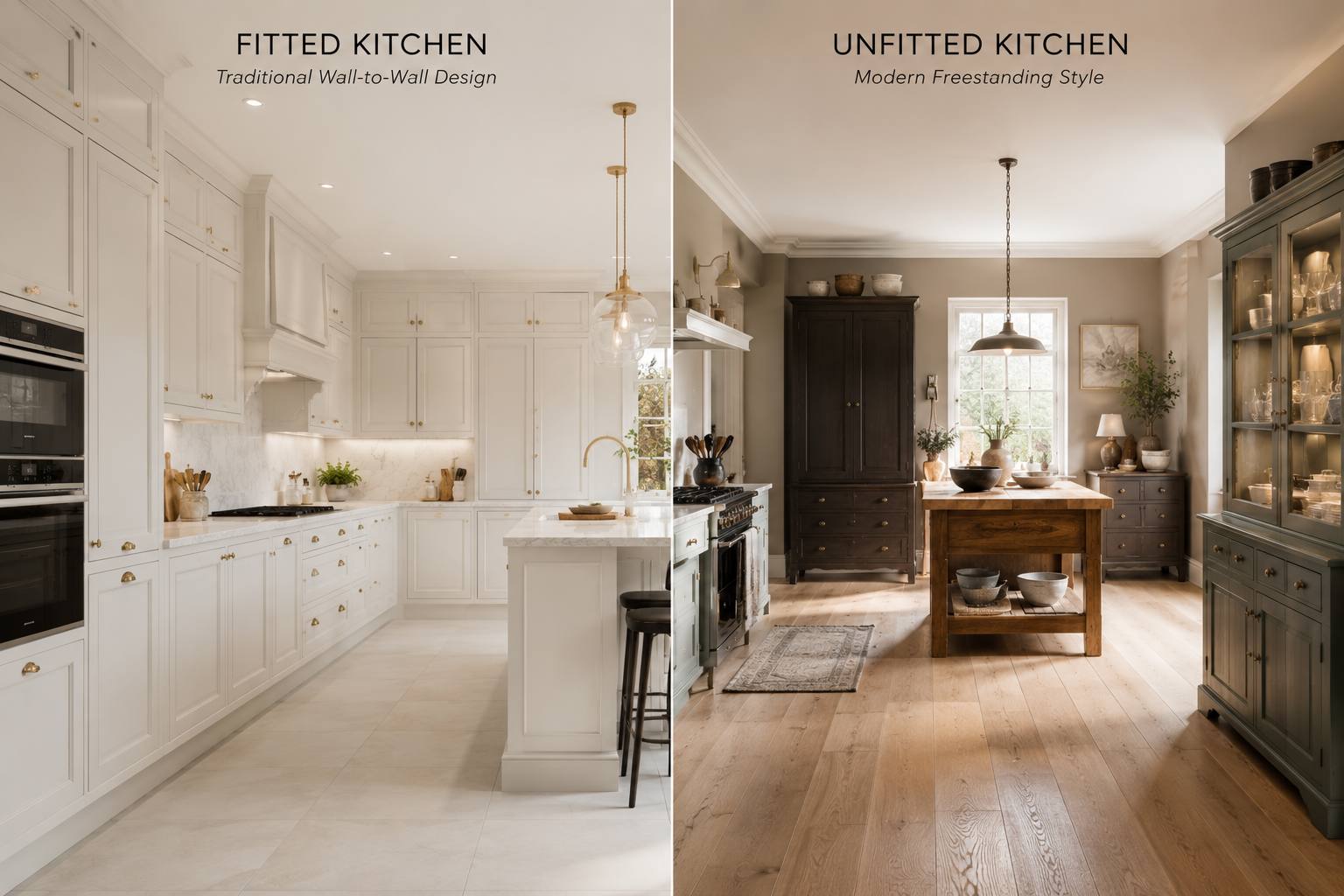
The secret to a beautiful unfitted kitchen is texture and contrast. However, mixing different pieces of freestanding furniture can easily look cluttered if you aren’t careful.
The Rule of Thumb for 2026: Anchor the room with a warm neutral and let the natural wood grain be the star.
- The Colors: White and grey are out. The new neutral foundation tones are taupe, mushroom, clay, and sage green.
- The Woods: Exposed timber finishes are trending heavily. Pair light, washed oak flooring with a dark, natural walnut freestanding pantry. The deep richness of walnut (which is seeing a massive resurgence this year) contrasts beautifully against creamy taupes and earthy greens.
Renter-Friendly Kitchen Upgrades
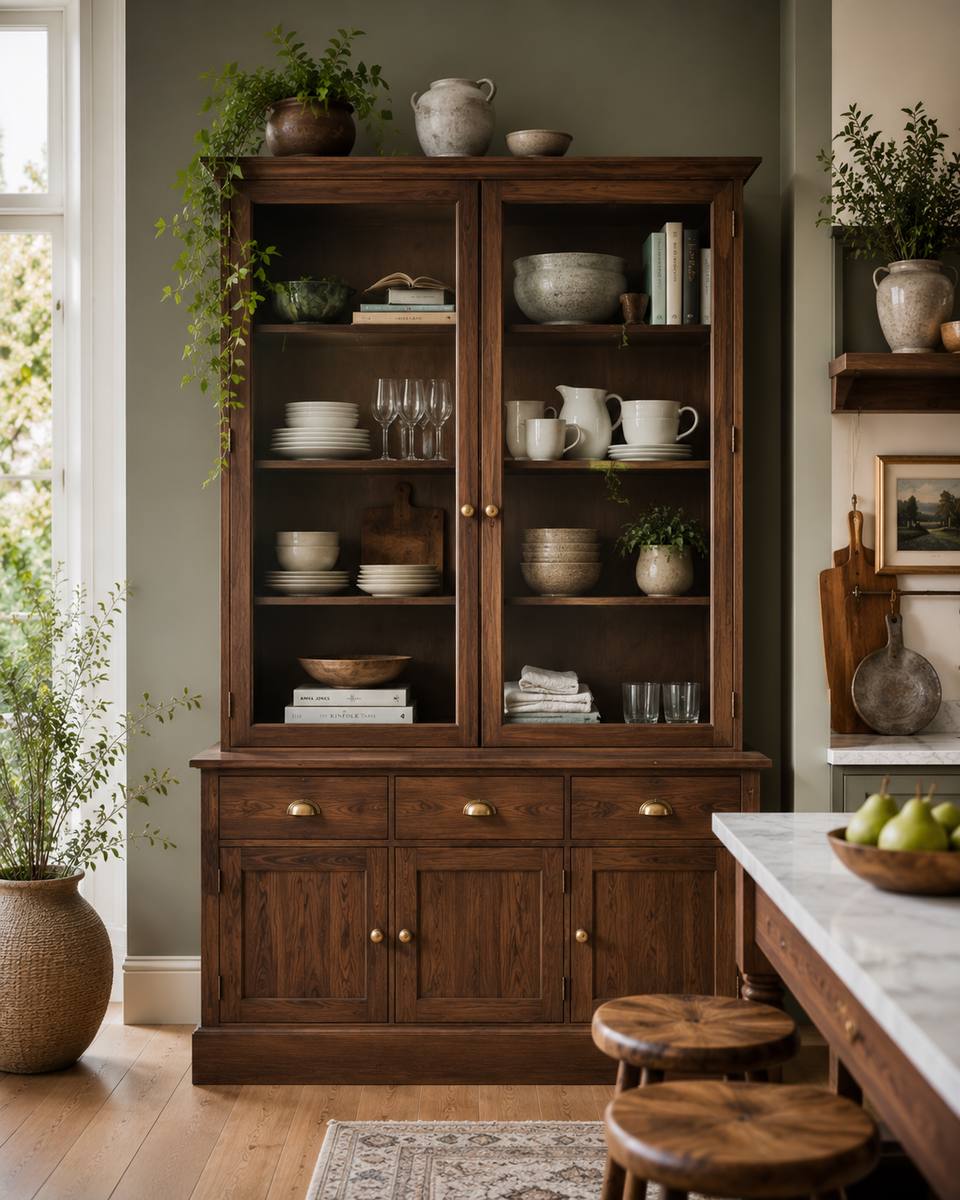
The unfitted trend is the ultimate hack for renters. If your rental kitchen is lacking storage or counter space, you cannot legally install new cabinets.
Instead, invest in a beautiful freestanding kitchen island or a tall utility cabinet. It instantly elevates the design of the room, provides the storage you desperately need, and—most importantly—it goes in the moving truck with you when your lease is up.
Recent Posts :
- The Complete Guide to Apartment Interior Design on a Budget (2026)
- 80s Interior Design Trends: 10 Stunning Looks Making a Comeback
- Vintage Wall Decor: 15 Stunning Ways to Transform Your Space
- The Rise of the Unfitted Kitchen: How to Use Freestanding Furniture in 2026
- How to Become an Interior Designer: A Step-by-Step Career Guide for Beginners
People Also Ask (FAQ)
What is the difference between fitted and freestanding kitchens?
Fitted kitchens consist of uniform cabinets permanently attached to the walls and floors, creating a seamless look. Freestanding kitchens use independent pieces of furniture (like standalone pantries and movable islands) that are not permanently fixed, offering more flexibility and a customized look.
Is a freestanding kitchen cheaper?
It can be. While high-end freestanding pieces (like a solid oak larder) are expensive, you save significantly on installation, labor, and custom carpentry. You also have the flexibility to buy pieces gradually over time rather than funding a complete renovation all at once.
How do I make a freestanding kitchen look cohesive?
To keep the space from looking chaotic, stick to a strict color palette (like earthy greens and warm taupes) and carry one unifying element—such as matching unlacquered brass hardware or a consistent marble countertop material—across all your different pieces of furniture.
[…] 🔗 Take Action: Ready to ditch the rigid built-ins? Explore this massive aesthetic shift and learn how to source these pieces: The Rise of the Unfitted Kitchen: How to Use Freestanding Furniture in 2026. […]