
Meta Description: Learn how to become an interior designer with this complete beginner’s guide covering education, portfolio building, certifications, skills, and career tips.
How to Become an Interior Designer: A Step-by-Step Career Guide
Becoming an interior designer is one of the most rewarding career paths for people who enjoy creativity, problem-solving, and transforming ordinary spaces into beautiful, functional environments. If you’ve been searching for how to become an interior designer, you’re probably wondering where to start, whether you need a degree, and how professionals actually build successful careers.
The good news is that there isn’t just one path into the profession. Some designers graduate from prestigious universities, while others build their experience through practical projects, internships, and continuous learning. What matters most is developing the right combination of design knowledge, technical skills, creativity, and real-world experience.
In this guide, you’ll learn:
- The difference between interior design and interior decorating
- The education and qualifications you’ll need
- Whether a degree is necessary
- The technical and creative skills employers look for
- How to build an impressive interior design portfolio
- Ways to get your first client or interior design job
- Long-term career growth opportunities
Whether you dream of designing luxury homes, modern apartments, restaurants, offices, or commercial spaces, this guide will help you understand exactly how to begin your interior design career.
Interior Design vs. Interior Decorating: What’s the Difference?
Many beginners assume these careers are the same, but they are actually very different.
Interior Designer
Interior designers work with both aesthetics and functionality. They plan spaces by considering:
- Space planning
- Building regulations
- Electrical layouts
- Lighting design
- Material selection
- Furniture layouts
- Ergonomics
- Accessibility
- Construction coordination
Professional interior designers often collaborate with architects, engineers, and contractors throughout a project.
Interior Decorator
Interior decorators focus primarily on the appearance of a finished space, including:
- Furniture selection
- Paint colors
- Fabrics
- Curtains
- Rugs
- Decorative accessories
- Styling
Decorators generally don’t modify structural layouts or prepare technical construction drawings.
Simply put:
- Interior designers design how a space works.
- Interior decorators improve how a space looks.
Understanding this difference helps you decide which profession matches your interests.
Step 1: Understand What Interior Designers Actually Do
Before choosing this career, it’s important to know what the job involves on a daily basis.
Professional interior designers often spend time:
- Meeting clients
- Understanding project requirements
- Creating mood boards
- Developing floor plans
- Preparing 3D models
- Selecting finishes and materials
- Coordinating with contractors
- Managing budgets
- Visiting construction sites
- Solving unexpected design problems
While social media often showcases beautiful finished interiors, much of the profession involves planning, communication, documentation, and project management.
Step 2: Get the Right Education
One of the most common questions people ask is:
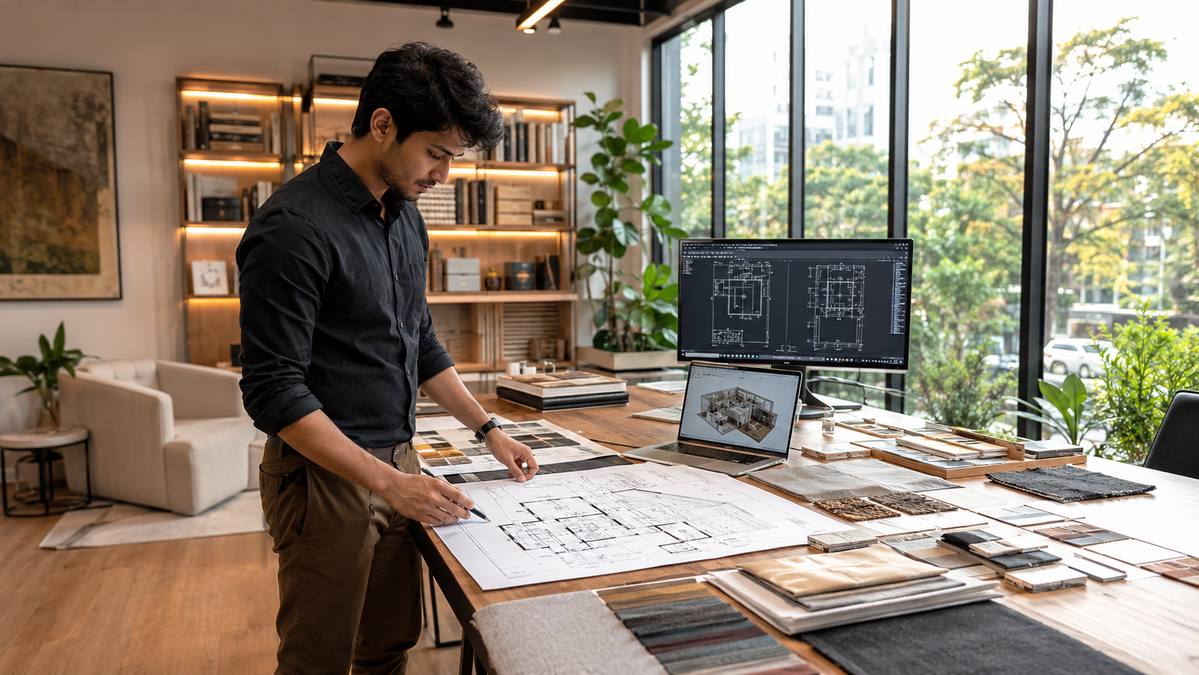
Do I Need a Degree to Be an Interior Designer?
The answer depends on where you live and what type of projects you want to work on.
In many countries, you can build a successful design business through experience and a strong portfolio. However, for licensed commercial work or employment with established design firms, formal education is often preferred or required.
Common educational paths include:
Bachelor’s Degree
A Bachelor’s degree in Interior Design usually covers:
- Design theory
- Drafting
- Space planning
- Building systems
- Lighting design
- Furniture design
- Material science
- Building codes
- Sustainability
- CAD software
This is often the strongest foundation for a long-term career.
Diploma Programs
Many colleges offer diploma programs that focus on practical design skills in less time than a degree.
These programs are ideal for students who want to enter the workforce quickly.
Online Courses
Online learning platforms now offer excellent courses covering:
- AutoCAD
- SketchUp
- Revit
- Photoshop
- Color theory
- Interior styling
- Residential design
Online learning works best when combined with practical experience.
Step 3: Learn the Essential Technical Skills
Modern interior designers rely heavily on digital tools.
Important software includes:
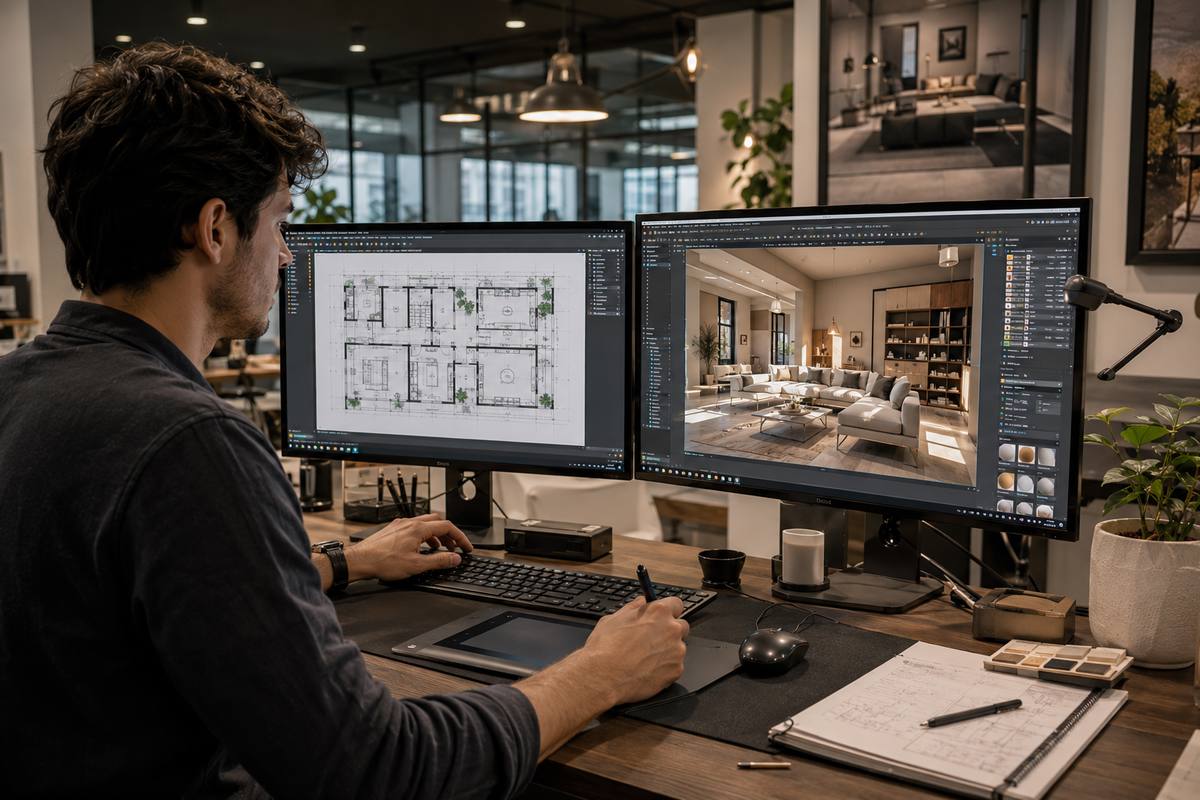
AutoCAD
Industry-standard software for:
- Floor plans
- Elevations
- Construction drawings
SketchUp
Excellent for:
- Fast 3D modeling
- Client presentations
- Concept development
Revit
Widely used for:
- Building Information Modeling (BIM)
- Commercial projects
- Detailed documentation
Rendering Software
Learning rendering software helps you present realistic visualizations.
Popular options include:
- Enscape
- V-Ray
- Lumion
- Twinmotion
Adobe Photoshop
Useful for:
- Mood boards
- Presentation boards
- Image editing
- Client proposals
Learning these tools significantly improves your employability.
Step 4: Develop Strong Design Fundamentals
Software alone won’t make you a successful designer.
You also need a strong understanding of:
- Color psychology
- Scale and proportion
- Balance
- Rhythm
- Texture
- Lighting
- Furniture layout
- Spatial planning
- Materials
- Human ergonomics
These principles form the foundation of excellent design.
Step 5: Build an Interior Design Portfolio
One of the biggest factors employers and clients consider is your portfolio.
Building an impressive building an interior design portfolio doesn’t require years of professional work.
You can include:
- College assignments
- Personal room redesigns
- Concept projects
- 3D visualizations
- Furniture layouts
- Mood boards
- Before-and-after redesigns
- Material boards
- Lighting plans
For every project, explain:
- The design challenge
- Your process
- Design decisions
- Final outcome
Quality always matters more than quantity.
Aim for 8–15 strong projects instead of dozens of average ones.
For inspiration on presenting practical, real-world design work, take a look at our budget-friendly living room decor ideas — the kind of before-and-after project that makes a strong portfolio piece.
Step 6: Gain Real-World Experience
Experience teaches lessons that classrooms cannot.
Good ways to gain experience include:
- Interior design internships
- Freelance projects
- Assisting experienced designers
- Working in furniture showrooms
- Visiting construction sites
- Collaborating with contractors
- Designing spaces for friends or family
Even small projects help you develop confidence.
Step 7: Improve Your Communication Skills
Many people underestimate how important soft skills are.
Successful designers communicate effectively with:
- Clients
- Contractors
- Architects
- Suppliers
- Carpenters
- Electricians
- Plumbers
Important soft skills include:
- Active listening
- Negotiation
- Time management
- Presentation skills
- Problem-solving
- Creativity
- Attention to detail
- Adaptability
Often, great communication leads to repeat business and referrals.
Step 8: Learn Building Codes and Safety Standards
Professional interior designers must understand:
- Fire safety
- Accessibility
- Electrical clearances
- Plumbing coordination
- Emergency exits
- Material performance
- Local building regulations
Ignoring these requirements can create expensive mistakes.
Step 9: Consider Professional Certifications
One important aspect of interior design qualifications is professional certification.
Depending on your country, certification may improve credibility and career opportunities.
Examples include:
NCIDQ Certification
The NCIDQ examination is one of the most respected credentials for professional interior designers in North America.
It demonstrates competency in:
- Building codes
- Professional practice
- Design application
- Health and safety standards
Requirements vary based on education and work experience.
Other countries have their own professional licensing systems and associations.
Step 10: Build Your Personal Brand
Today’s designers are discovered online just as often as through referrals.
Create:
- A professional website
- Portfolio gallery
- Instagram profile
- Pinterest boards
- LinkedIn profile
- Google Business Profile (if offering local services)
Regularly share:
- Project updates
- Design tips
- Before-and-after transformations
- Material selections
- Site visits
Consistent branding helps establish trust.
Step 11: How to Get Your First Interior Design Client
Landing your first project can feel intimidating, but every successful designer started somewhere.
Practical ways to find clients include:
Offer Small Residential Projects
Begin with:
- Living rooms
- Bedrooms
- Kitchens
- Home offices
These projects help build experience.
Ask Friends and Family
People already familiar with your work are often your first supporters.
Join Local Networking Events
Attend:
- Home expos
- Interior exhibitions
- Builder events
- Real estate meetups
Networking creates valuable opportunities.
Showcase Before-and-After Projects
People love visual transformations.
Document every project professionally.
Collect Testimonials
Positive client reviews build trust faster than advertisements.
Step 12: Continue Learning Throughout Your Career
Interior design constantly evolves.
Stay updated by learning about:
- Sustainable materials
- Smart homes
- AI-assisted design tools
- Biophilic design
- Wellness interiors
- Universal design
- New furniture trends
- Modern lighting technologies
The best designers never stop learning.
Career Opportunities in Interior Design
An interior design career offers a wide variety of specializations.
Some popular career paths include:
- Residential Interior Designer
- Commercial Interior Designer
- Hospitality Designer
- Retail Designer
- Healthcare Interior Designer
- Exhibition Designer
- Furniture Designer
- Kitchen and Bath Designer
- Lighting Designer
- Set Designer
- Workspace Designer
As your experience grows, you may also start your own design studio or consultancy.
Frequently Asked Questions
Is Interior Design a Good Career?
Yes. Interior design can be both creatively fulfilling and financially rewarding. Experienced designers who build a strong reputation often enjoy steady demand, particularly in growing residential and commercial markets.
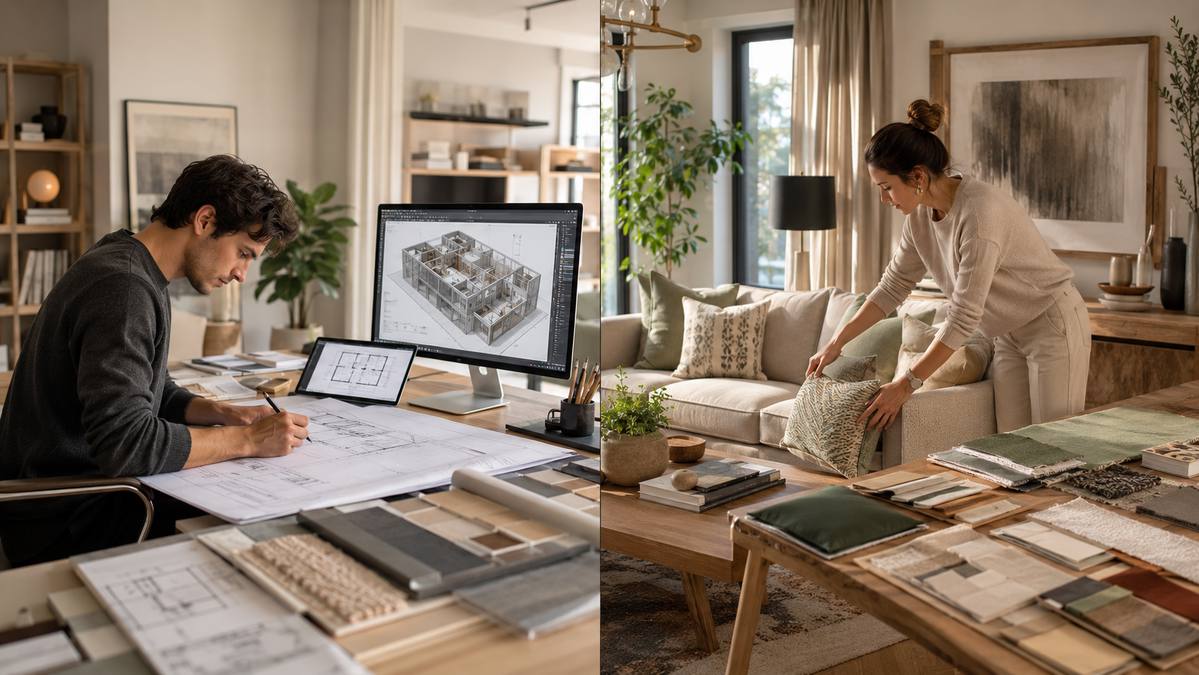
How Long Does It Take to Become an Interior Designer?
The timeline varies depending on your path. A bachelor’s degree typically takes three to four years, while diploma programs can be completed in one to two years. Building practical experience and a strong portfolio usually takes additional time.
Can I Become an Interior Designer Without a Degree?
Yes, in many markets you can, especially if you focus on residential projects and develop an outstanding portfolio. However, some employers and licensing systems require formal education, particularly for commercial or regulated work.
What Skills Do Interior Designers Need?
Successful interior designers combine creativity with technical expertise. Important skills include space planning, CAD software, 3D visualization, communication, budgeting, project management, and problem-solving.
Final Thoughts
Learning how to become an interior designer isn’t about finding one perfect path—it’s about steadily building knowledge, experience, and confidence. Start by understanding the fundamentals of design, invest in the right education for your goals, master industry-standard software, and create a portfolio that showcases your best work.
Remember that every successful designer started as a beginner. Focus on improving with each project, continue learning new techniques, and build strong relationships with clients and industry professionals. Over time, these consistent efforts can turn your passion for design into a rewarding and successful career.
Once you’ve got the fundamentals down, it helps to see them applied — check out our guide on how to design a room like an interior designer for a practical walkthrough of these principles in action.
For more on professional certification, the official NCIDQ website and the Council for Interior Design Qualification (CIDQ) are trusted authorities on interior design certification and professional standards.
Recent Posts:
- The Complete Guide to Apartment Interior Design on a Budget (2026)
- 80s Interior Design Trends: 10 Stunning Looks Making a Comeback
- Vintage Wall Decor: 15 Stunning Ways to Transform Your Space
- The Rise of the Unfitted Kitchen: How to Use Freestanding Furniture in 2026
- How to Become an Interior Designer: A Step-by-Step Career Guide for Beginners
[…] How to Become an Interior Designer: A Step-by-Step Career Guide for Beginners […]
[…] 🔗 Take Action: Want the exact step-by-step blueprint to drafting a flawless floor plan? Read our foundational guide: How to Design a Room Like an Interior Designer: Step-by-Step. […]